The Ancient City of Duklja—Montenegro’s Forgotten Gem
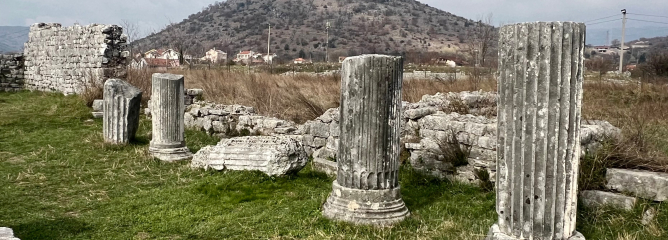
A few kilometers from modern-day Podgorica, hidden among the hills, lie the ruins of Doclea—an ancient city that once flourished in what is now Montenegro. This place preserves memories of the glory of the Illyrians, Romans, and Byzantines, who left their mark on the history of the Balkans.
The Birth of the City: The Illyrians and the Romans
The history of Dukla begins long before the arrival of the Romans. In the 3rd century B.C. , a settlement of the Illyrian tribe of the Dokleati existed here, from whom the city’s name is derived. The Illyrians were known as brave warriors and skilled sailors, but they soon found themselves under the influence of Rome’s growing power.
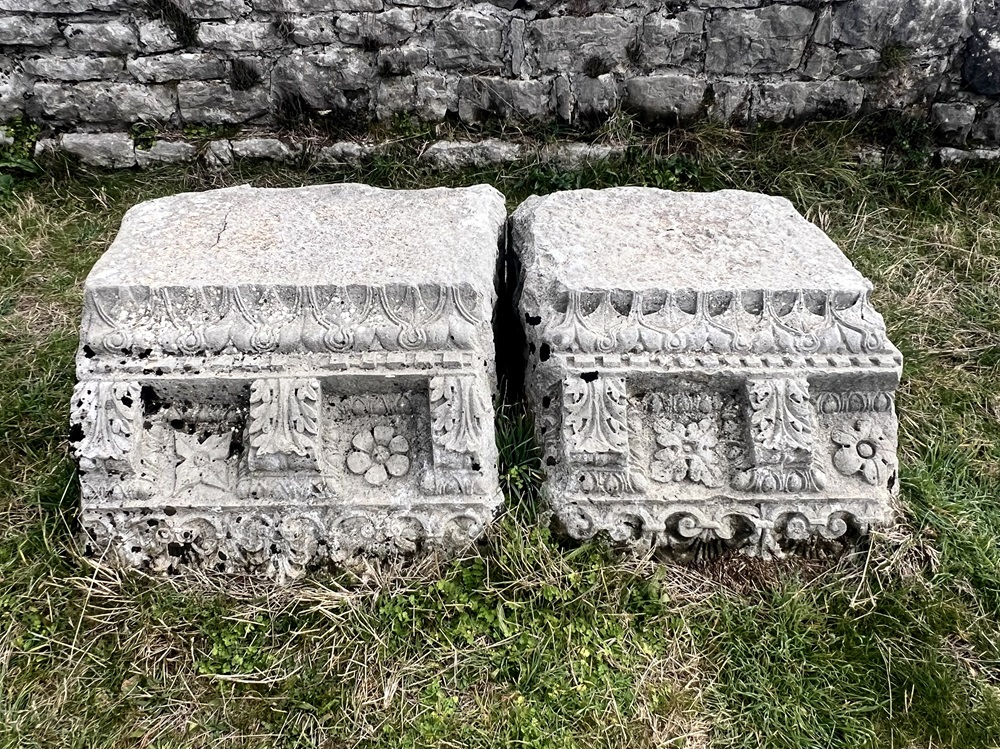
In the 1st century CE, the Romans founded the city of Doclea here, turning it into an important commercial and administrative center. Doclea grew rapidly and reached its peak by the 3rd century: a forum, thermal baths, temples, aqueducts, and an amphitheater were built. The population at that time reached about 10,000 people, making Doclea one of the largest cities in the region. The city covered an area of about 25 hectares.
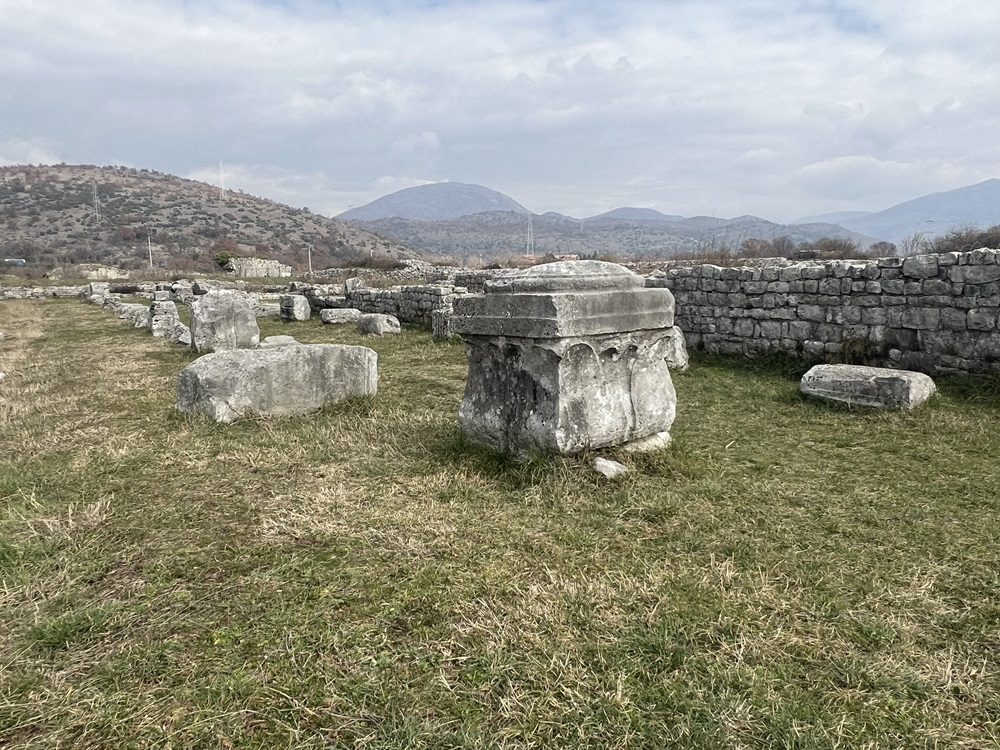
The entire city was built of stone quarried from a nearby hill. Both residential and public buildings were constructed from this stone. The city had all the necessary infrastructure, including a sewer system and a 14-kilometer-long water pipeline. People lived here in comfortable conditions.
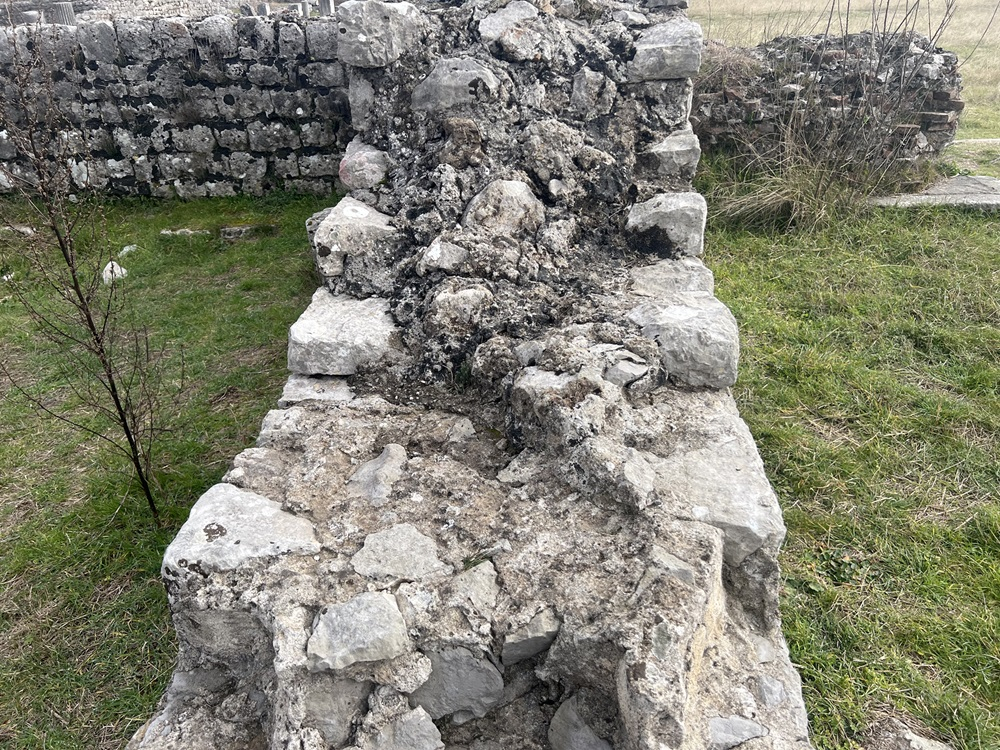
The walls were up to 2 meters thick, and towers and bastions were built. Nature also contributed to the fortifications, thanks to the cliffs and rivers.
All of the city’s most important structures were concentrated on the main street. There stood a triumphal arch dedicated to Emperor Gallienus, who reigned in the 3rd century. At the end of the street were the city gates, through which one could enter the city.
Right at the entrance to the park, you can see the Small Baths. It is believed that these were originally large public baths that later became women’s baths. They featured separate rooms with hot and cold water, a steam room, and their own heating system. People came here to socialize and relax.
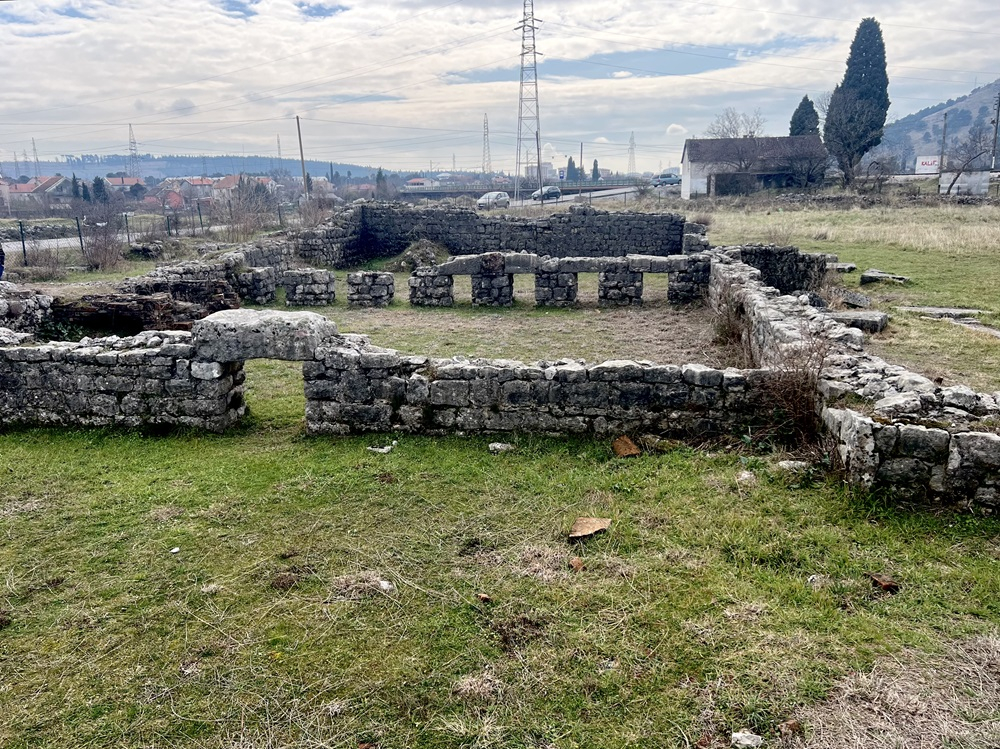
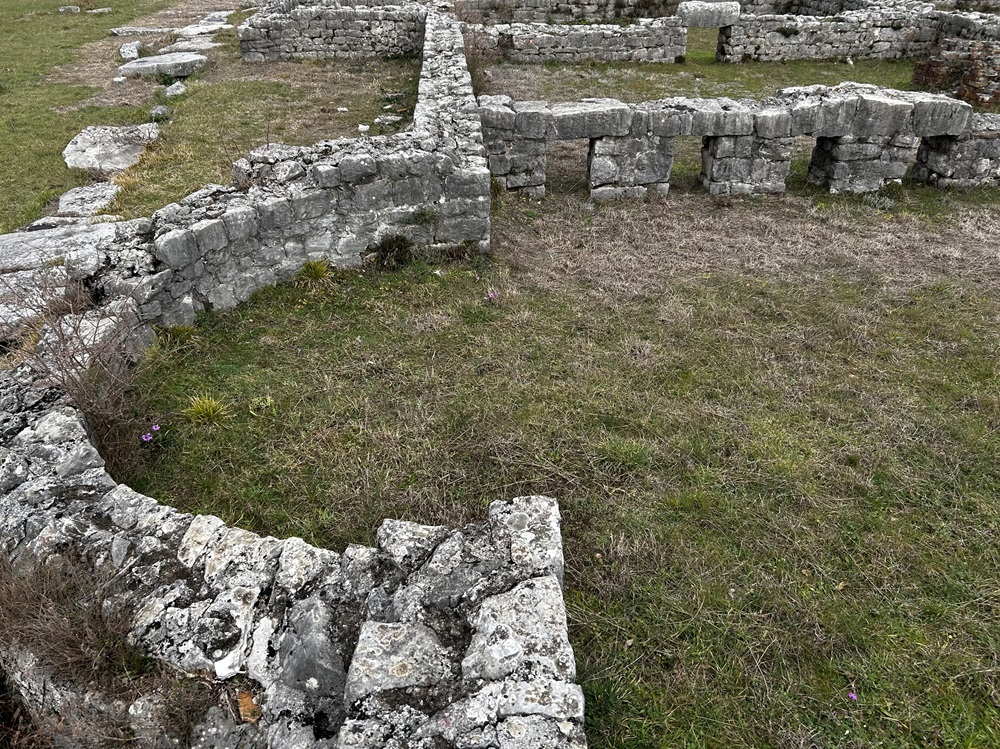
Opposite the baths, standing on a high pedestal, was the Temple of the Capitol, which was visible from anywhere in the city.
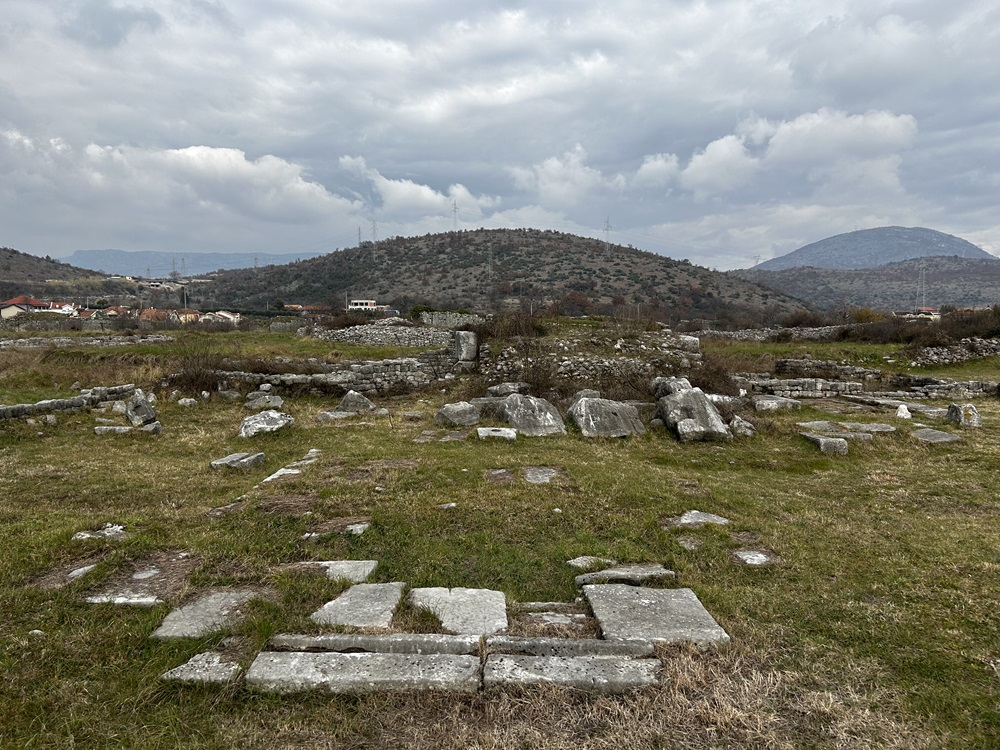
The heart of Dukla was the forum—a place where destinies were decided, trade bustled, orators delivered their speeches, and the townspeople gathered. The majestic colonnade surrounding the square lent the place a sense of solemnity and Roman grace. History was made here; this is where the city lived and breathed.
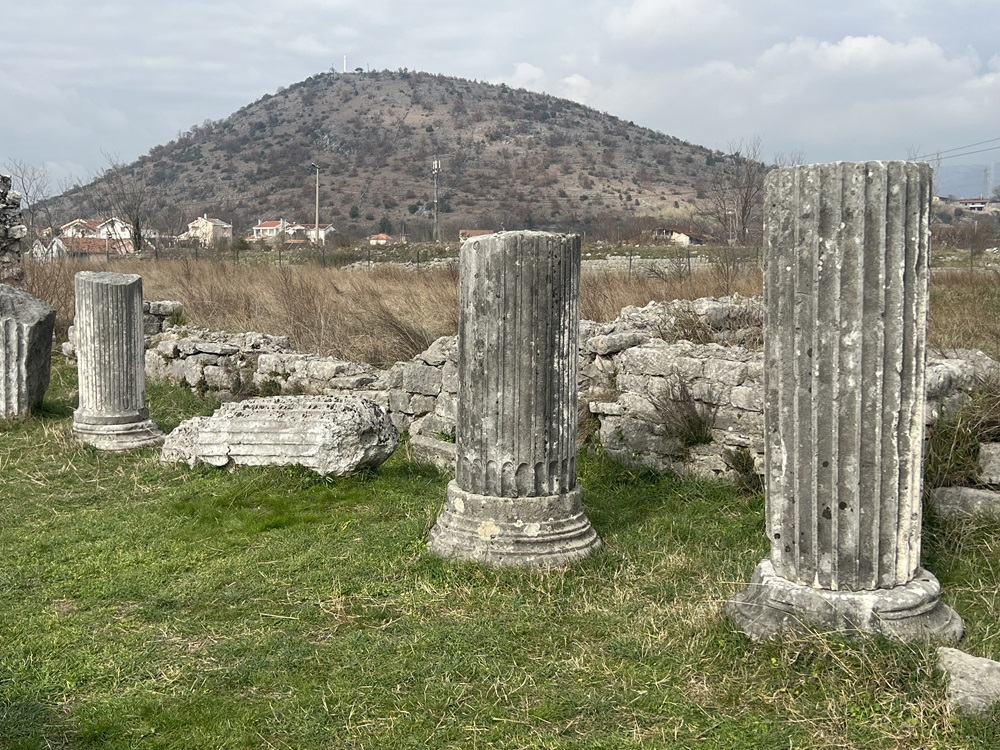
Amid the scattered ruins of the ancient city, one structure has withstood the test of time better than the rest—the basilica, once a majestic church that became a symbol of Christian Dukla. Even the apse on the north side has survived. Its stone walls, which have endured the centuries, still bear traces of ancient prayers and the quiet footsteps of worshippers.
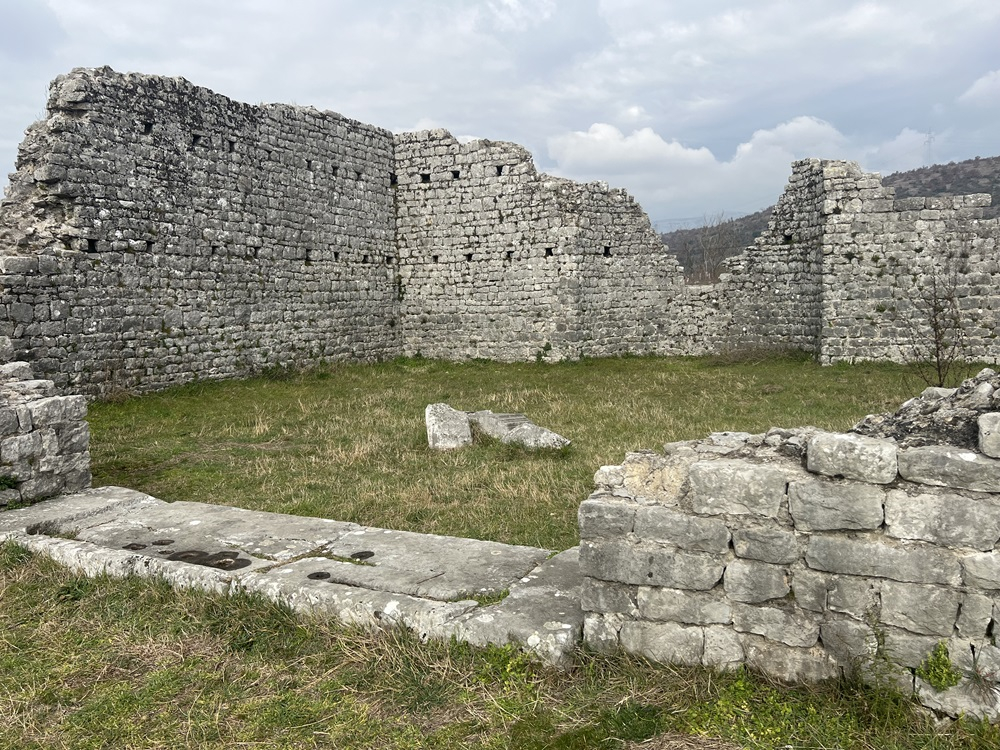
The Golden Age and Christianity
In the 3rd–4th centuries, Duklja reached its heyday. It became a religious center, and Christianity soon took root there. Basilicas and Christian cemeteries were built in the city, and by the 6th century, it was already home to a bishop’s see.
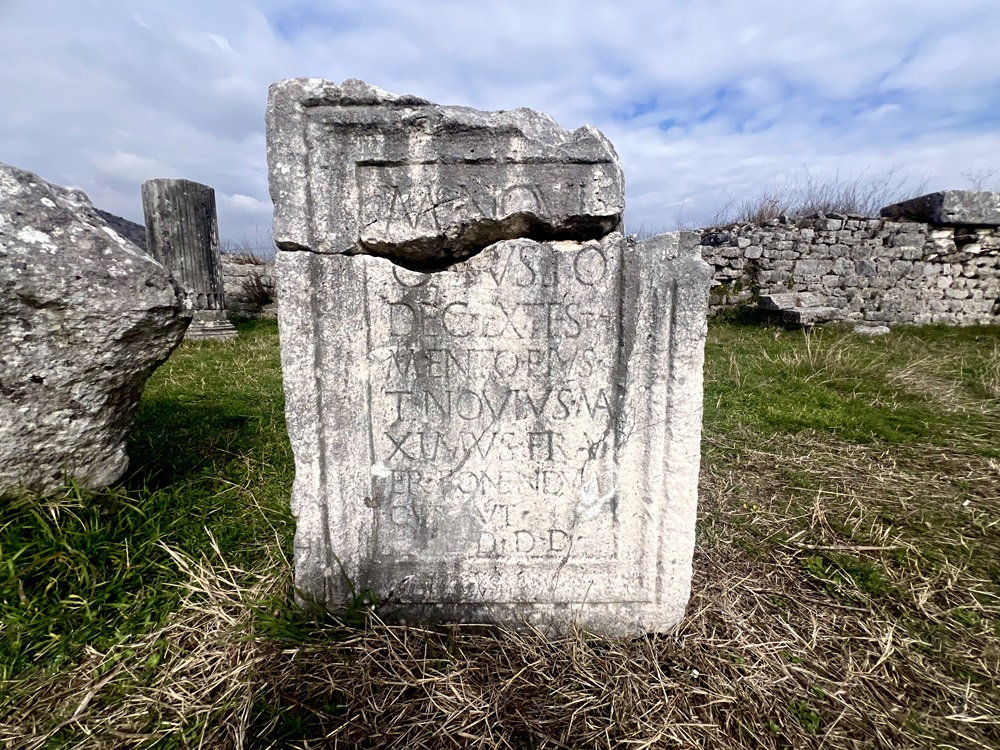
But with the arrival of the barbarian invasions and the weakening of the Roman Empire, the city began to fall into decline. The Byzantines tried to maintain control over the region, but constant attacks by the Slavs led to the city’s destruction.
In addition to the invaders, the people who dismantled the city stone by stone caused no less damage. With the arrival of the Ottoman Empire, the Turks dismantled the walls and used the stones as free building material. The greatest damage was caused by the construction of a highway right through the center of the city, dividing it into two parts. Later, a railroad was built parallel to it, and stones of historical value were also used for the embankment. This caused irreparable damage to research on this site.
The very first archaeological excavations began right here, but they started quite late, with the support of Nikola Petrovich Negosh (the second prince of Montenegro from 1860 to 1910, and subsequently the sole king of Montenegro from 1910 to 1918, from the Petrović-Njegoš dynasty).
Decline and Oblivion
By the 8th century, Duklja had virtually been abandoned. Over time, its ruins were forgotten, and new cities began to emerge in other locations, closer to fortified territories. The very name “Duklja” has been preserved in historical chronicles and gave its name to the medieval Serbian principality of Duklja, from which Montenegro later emerged.
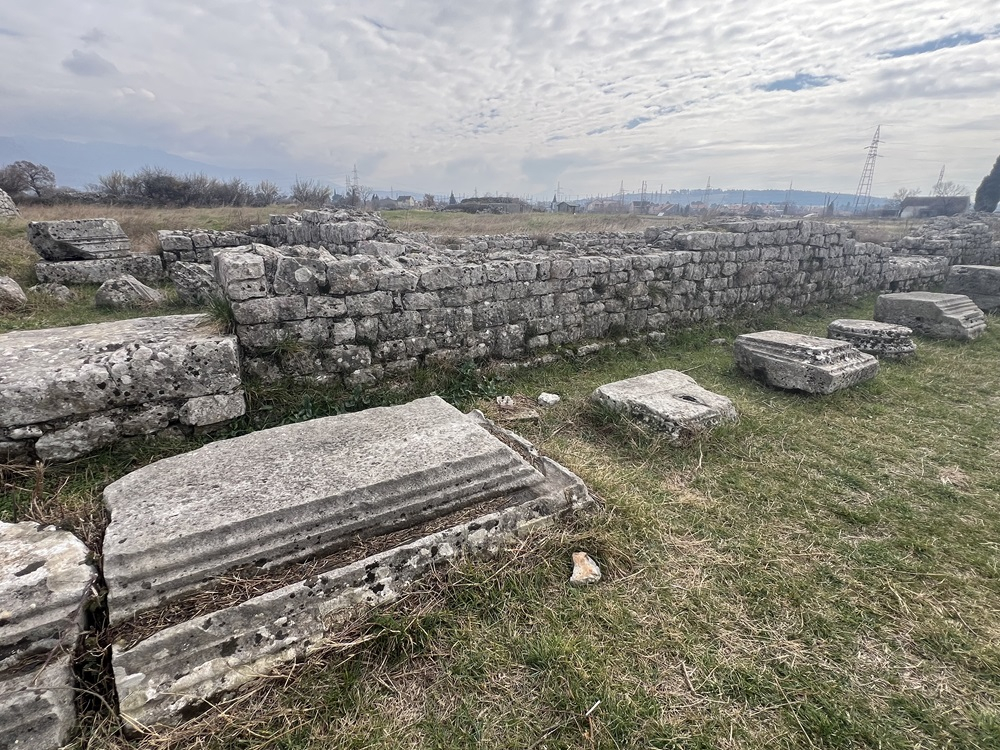
Today, Duklja has the status of a cultural monument in Montenegro and is protected by the state. The park is now being better maintained; the lawn is mowed, and efforts are being made to care for one section of it. In many places, there are signs in Montenegrin and English. The government plans to continue the excavations and turn the site into a tourist attraction.
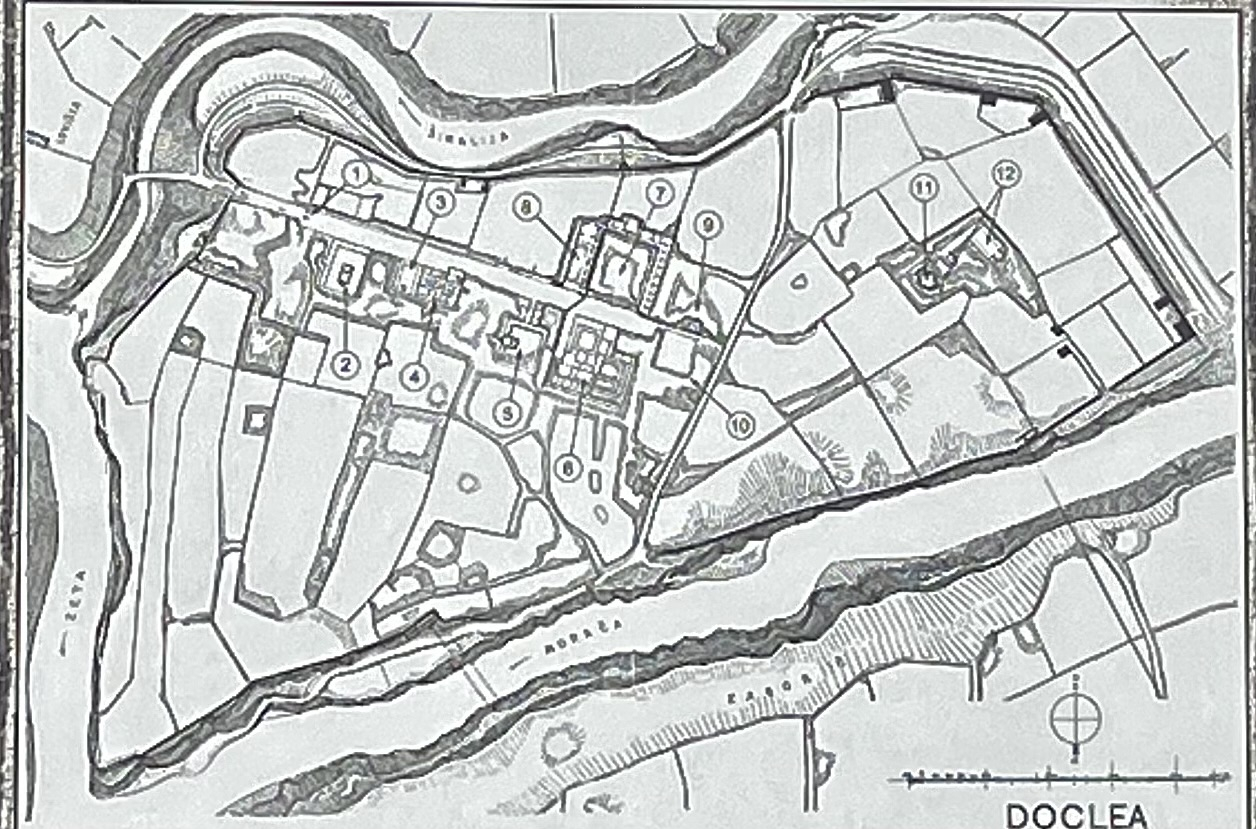
All that remains of its former splendor are scattered fragments of a life of unparalleled wealth. Where life once thrived, an empty field now stretches out. The wind carries the echoes of antiquity, reminding us that even the most majestic cities can turn to ruins if time abandons them.